
Date : Feb 19, 2026
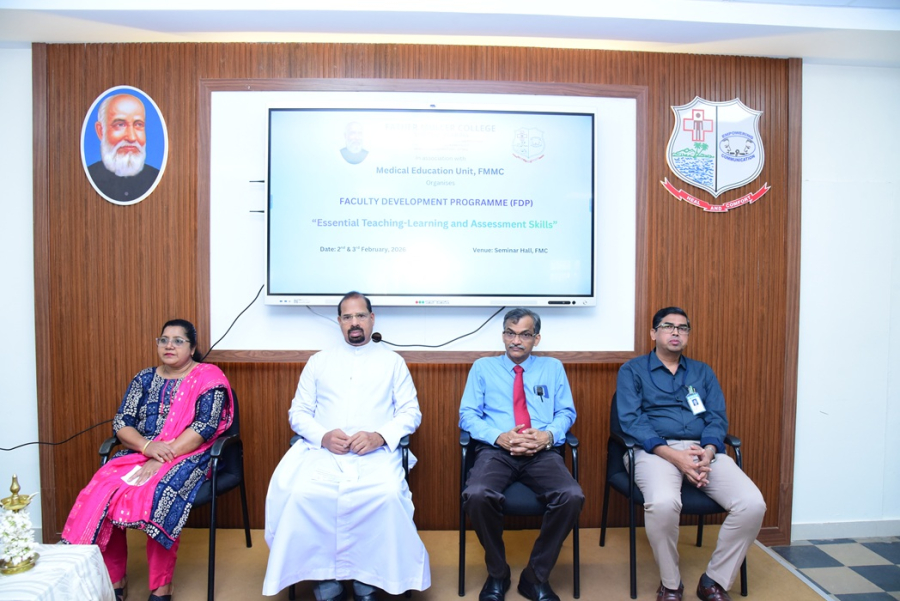
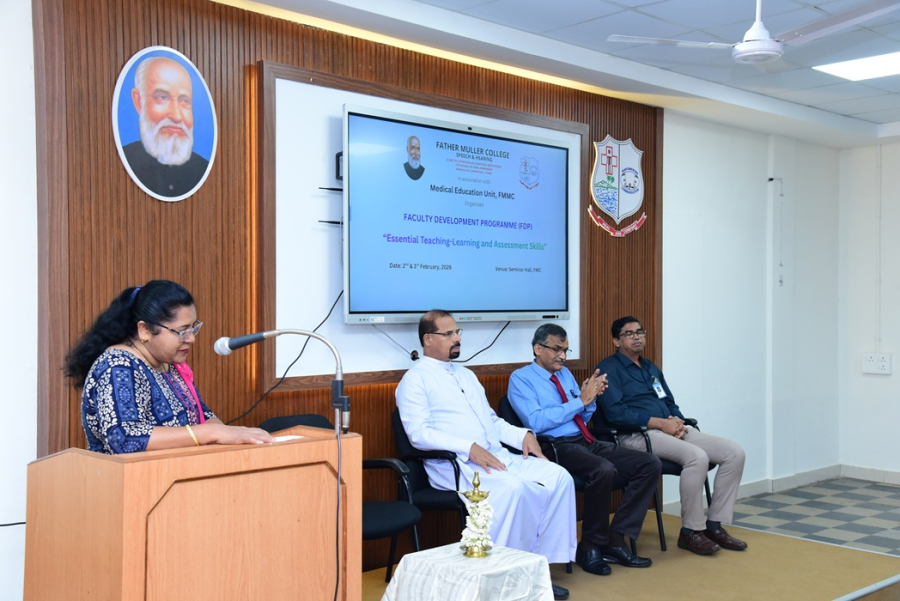
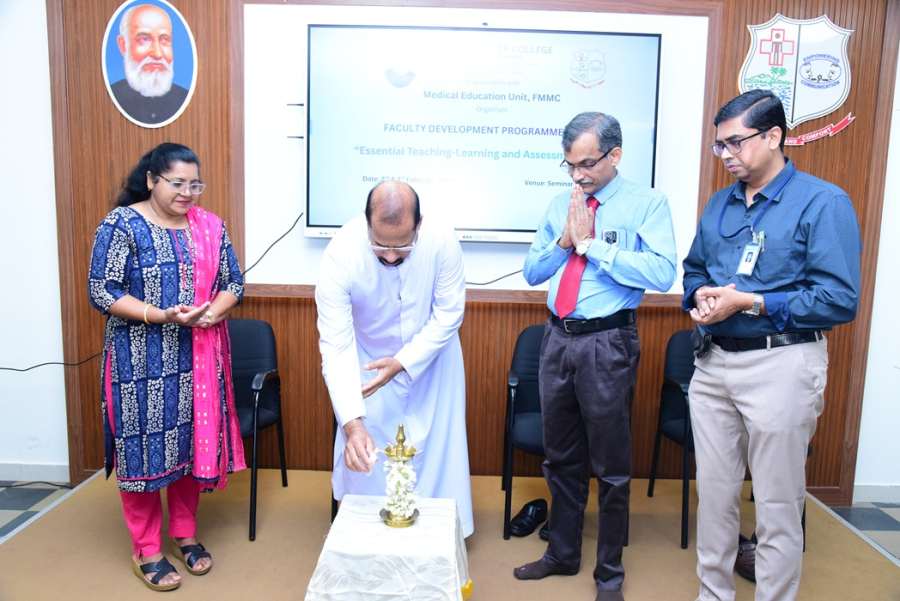
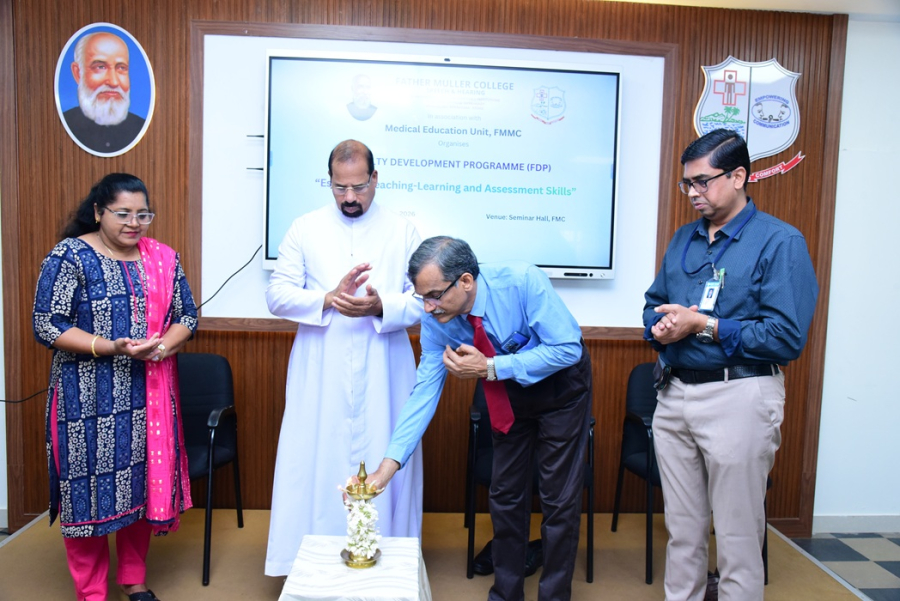
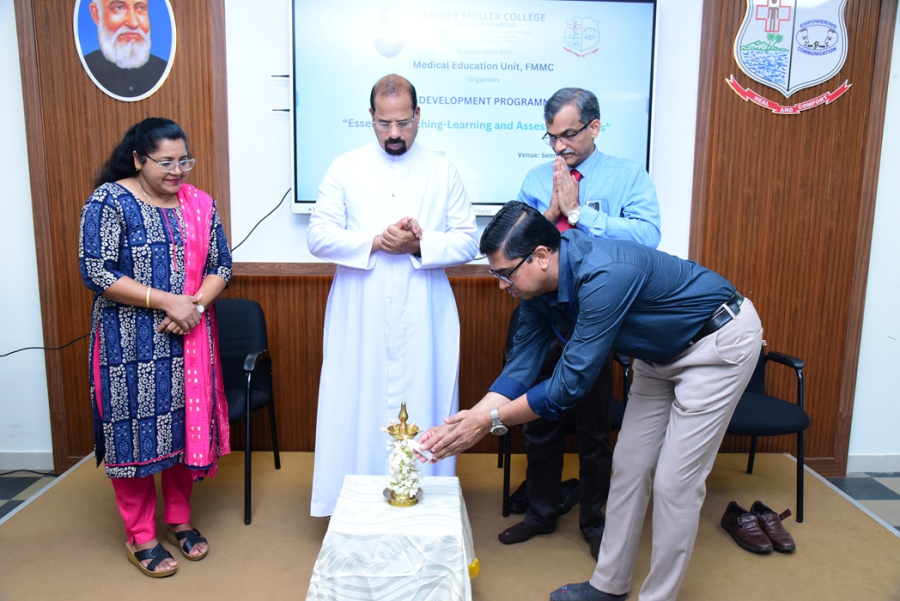
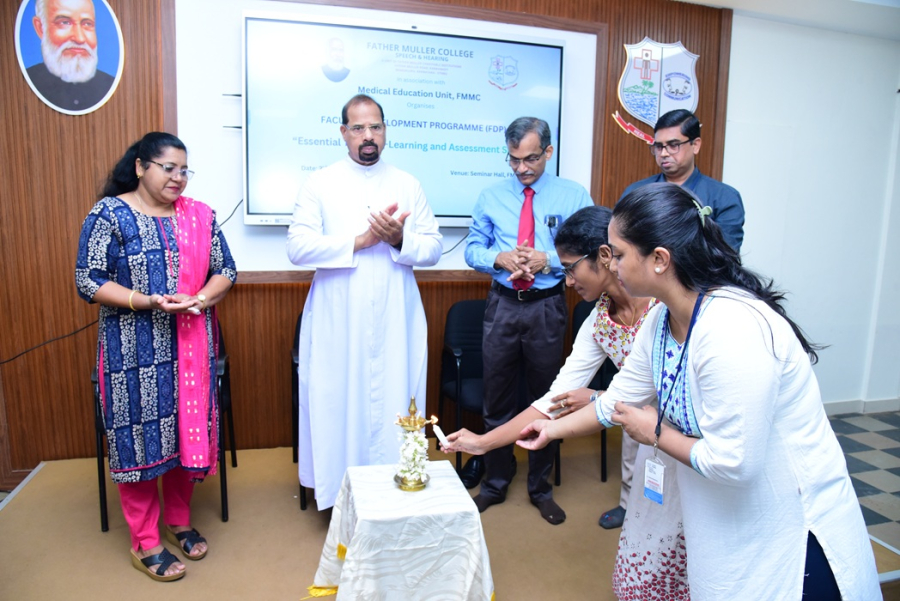
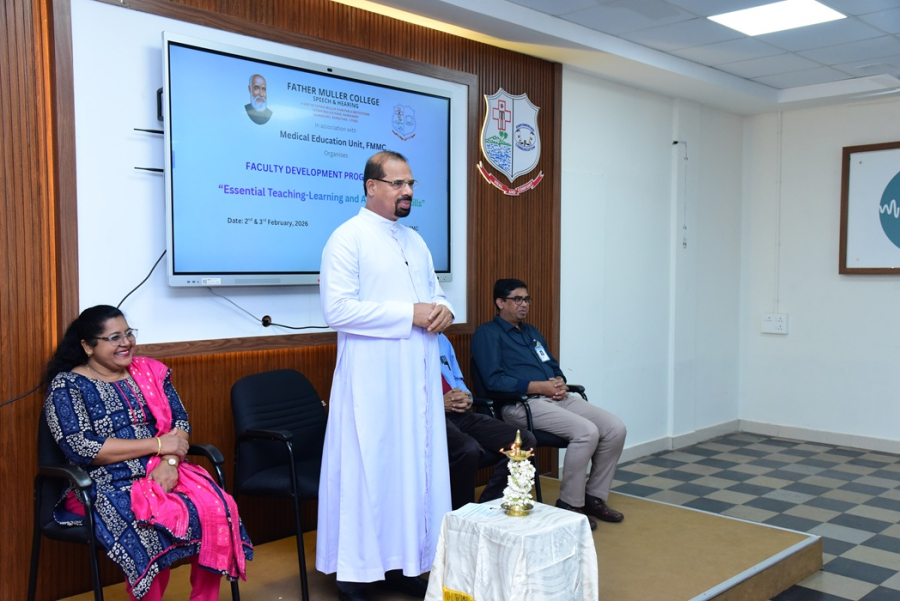
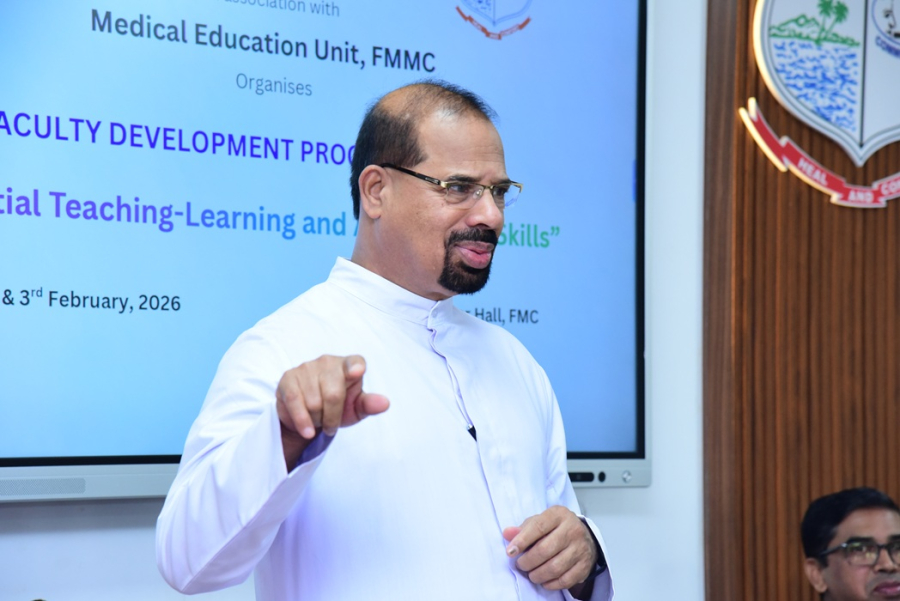
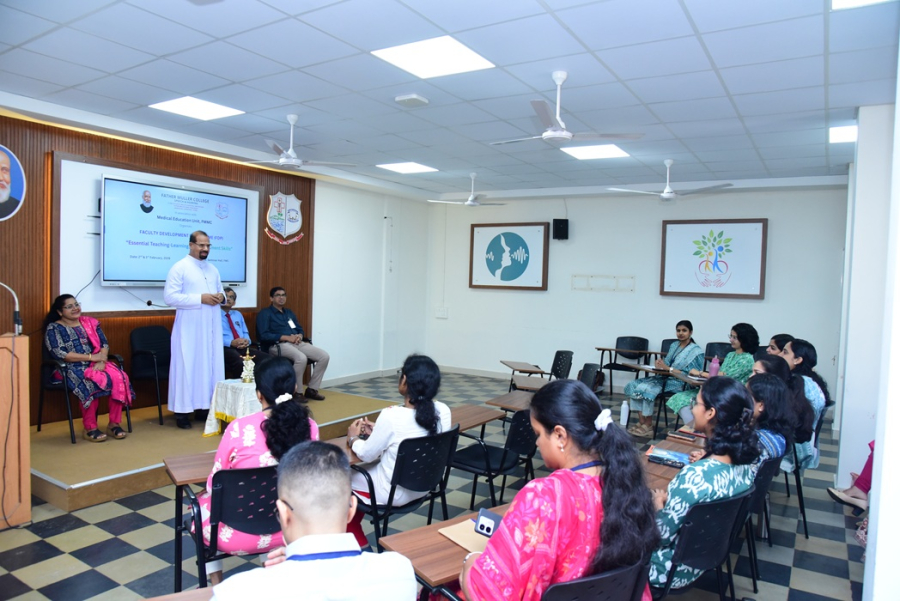
1. Introduction: Father Muller College organized a two-day Faculty Development Programme (FDP) titled “Essential Teaching–Learning and Assessment Skills” on 2nd and 3rd February 2026 at the Seminar Hall, FMC. The programme was designed to enhance the pedagogical competencies of faculty members, focusing on effective teaching methodologies, assessment strategies, and mentoring skills in higher education. The FDP aimed to equip faculty with practical strategies to improve classroom engagement, assessment design, and overall teaching effectiveness.
2. Objectives of the Programme
The objectives of the FDP were:
Day 1: 2nd February 2026
The programme commenced with a Pre-test at 8:45 am to assess the baseline knowledge of participants.
Session Highlights:
The day concluded with active discussions and reflections from participants.
Day 2: 3rd February 2026
The second day began with a Recap of Day 1 to reinforce key learning points.
Session Highlights:
· Introduction to Assessment & Types of Assessment (Formative and Summative) – Dr. Chandralekha N explained assessment principles and characteristics.
· Blueprinting and Framing Essay/Short Answer Questions – Dr. Reshma Kini guided participants on constructing balanced and valid assessment tools.
· Self-directed Learning – Dr. Shivashankara A R emphasized promoting autonomy and lifelong learning among students.
· Framing MCQs – Dr. Mangala S. discussed guidelines for constructing reliable and valid multiple-choice questions.
· Assessment of Clinical Skills – Dr. Savitha Lasrado covered OSCE/OSPE methods and structured clinical evaluation.
· Writing a Lesson Plan – Dr. Shivashankara A R provided practical guidance on structured lesson planning aligned with learning objectives.
· Mentoring Skills – Dr. Mangala S. highlighted the importance of academic mentoring and student support systems.
The programme concluded with a Post-test, feedback collection, and valedictory session at 4:30 pm.
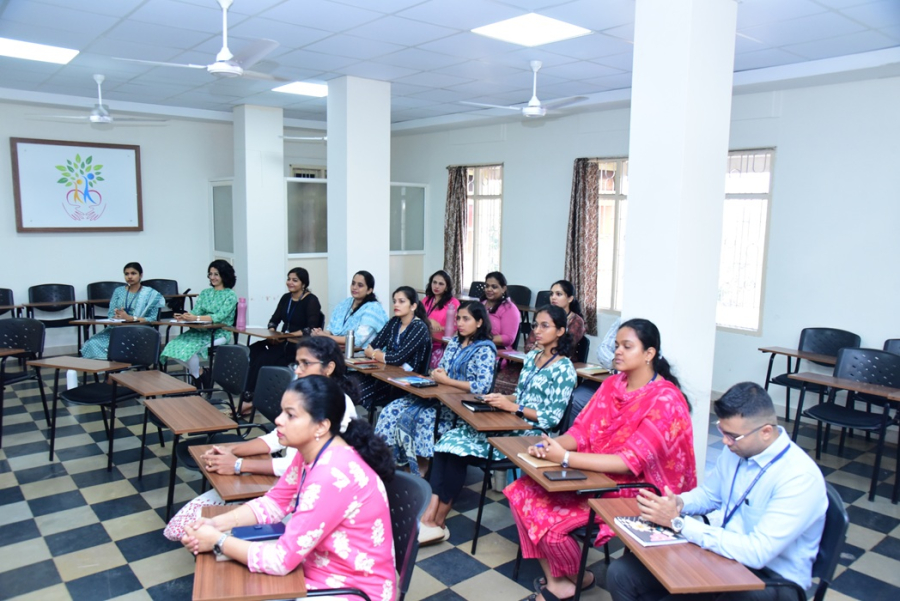
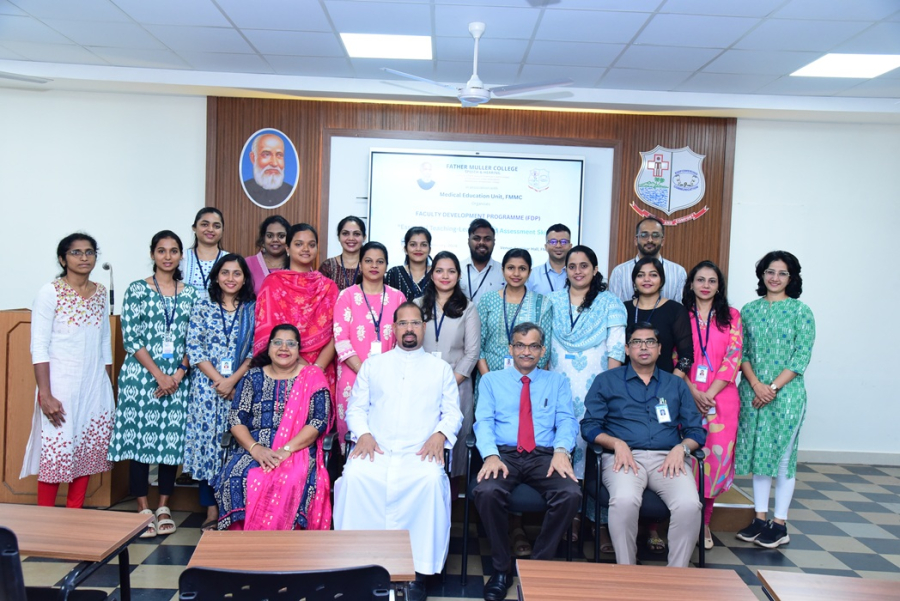
3. Participation: The Faculty Development Programme witnessed active participation from faculty members. Participants engaged in group discussions, practical exercises, and interactive sessions, making the programme highly engaging and outcome-oriented.
4. Outcomes of the Programme: The Faculty Development Programme successfully:
The pre-test and post-test comparison indicated improved understanding of teaching-learning and assessment methodologies among participants.
5. Conclusion: The two-day Faculty Development Programme on “Essential Teaching–Learning and Assessment Skills” was informative, interactive, and highly beneficial. The sessions were well-structured and delivered by experienced resource faculty, providing valuable insights into modern pedagogical approaches.
The programme significantly contributed to enhancing teaching competencies and assessment literacy among faculty members, thereby strengthening the overall academic quality of the institution.
Call Us Today 0824-2238022

Mail To fmcosh@fathermuller.in

 0824-2238022